La norme de gestion de l’énergie : Trouver un fabricant de lampes torches rechargeables conçu pour la sécurité du lithium-ion
L’épidémie de « faux mAh » : pourquoi les piles bon marché ruinent votre marque
Dans les marchés mondiaux très compétitifs de l’électronique grand public 3C et de la distribution de matériel, la gestion de la qualité des produits est un défi constant. Les professionnels de l’approvisionnement souhaitant élargir leurs catalogues recherchent fréquemment un **fabricant de lampes torches rechargeables** qualifié pour obtenir des produits d’éclairage portable rechargeables haute performance. Cependant, le secteur de l’éclairage portable fait face à d’importants problèmes de qualité, notamment concernant les allégations liées à la capacité des batteries. De nombreuses usines de bas niveau utilisent des cellules lithium-ion de qualité inférieure, recyclées ou non certifiées, qualifiant à tort une batterie bon marché de 1 200 mAh comme ayant une capacité de 5 000 mAh pour attirer les acheteurs imprudents.
Les conséquences opérationnelles et commerciales de ces demandes exagérées sont graves. Lorsque les consommateurs finaux testent ces batteries de faible capacité dans des situations réelles, ils découvrent rapidement que leur temps d’exécution n’est qu’une fraction de ce qui était annoncé. Cet écart de performance entraîne des taux de retour élevés, des avis négatifs sur les grandes plateformes de commerce électronique, et peut même entraîner le blocage ou la suspension des annonces de produits. Pour les grands distributeurs et acheteurs particuliers, ces conséquences négatives peuvent rapidement nuire à la réputation de la marque et éroder les marges bénéficiaires globales, mettant en lumière les risques liés au partenariat avec des fournisseurs non vérifiés.
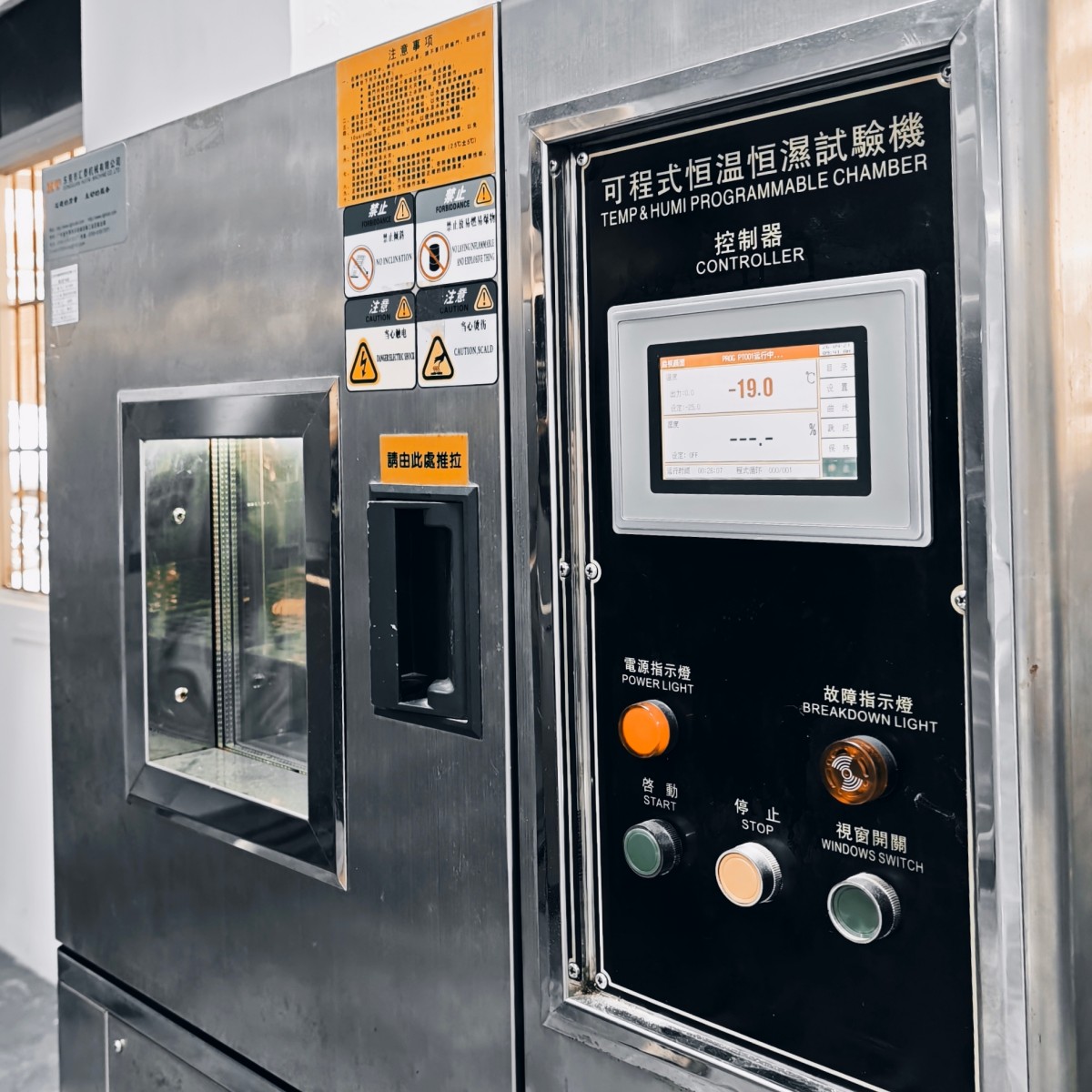
Pour éviter ces problèmes de qualité, les agents de sourcing doivent privilégier les fabricants qui valident leurs indicateurs de performance grâce à des tests standardisés. Un **fabricant de lampes torches rechargeables** haut de gamme mesurera et vérifiera toutes les déclarations en temps d’exécution selon la norme ANSI/NEMA FL1. Ces tests standardisés doivent être réalisés en interne à l’aide de sphères intégrantes calibrées et d’équipements spécialisés de test de batterie afin de générer des données de performance traçables et précises, garantissant que les spécifications de vos produits sont entièrement vérifiées avant l’expédition [1].
Évaluer un partenaire de fabrication potentiel nécessite d’auditer leurs installations de test et de demander des rapports détaillés de validation des batteries. Un **fabricant fiable de lampes torches rechargeables** exploitera des laboratoires internes de vieillissement et de test des batteries pour vérifier la qualité des cellules et la durée de vie des cycles lors des séries de production à grande échelle. Travailler avec un fournisseur qui respecte ces normes rigoureuses de contrôle qualité est la meilleure façon de protéger votre chaîne d’approvisionnement, la réputation de votre marque et garantir que vos produits fonctionnent de manière fiable entre les mains de vos clients.
Le cœur de la torche : la précision BMS et SMT
La chimie des batteries lithium-ion possède une densité énergétique élevée, ce qui la rend très efficace pour les dispositifs à haute puissance, mais nécessite aussi une gestion de sécurité rigoureuse. L’utilisation de cellules à haute consommation sans circuits de sécurité appropriés présente un risque sérieux de fuite thermique, de surcharge et de défaillance potentielle des cellules. Pour atténuer ces risques, une **usine de lampes USB-C personnalisées** professionnelle doit concevoir et intégrer des systèmes de gestion de batterie (BMS) robustes directement dans leurs cartes électroniques, protégeant la batterie et le pilote contre les surcharges électriques et thermiques critiques.
Un BMS haute performance sert de système de sécurité essentiel, utilisant des microcontrôleurs de précision (MCU) et des réseaux MOSFET à faible résistance pour gérer activement l’alimentation. Le circuit doit inclure des protections de sécurité multi-couches, notamment la protection contre la surcharge et la tension (OCVP), la protection contre la surcharge et la protection contre les courts-circuits (SCP). Ce système de protection surveille en temps réel la tension et le courant de la batterie, coupant automatiquement ou limitant l’alimentation s’il détecte des valeurs anormales, évitant ainsi les dommages aux cellules et garantissant un fonctionnement sûr lors d’une utilisation intensive.
L’assemblage de ces circuits de sécurité de haute précision nécessite des équipements de fabrication avancés et des tolérances serrées. Si une usine utilise la soudure manuelle ou des méthodes d’assemblage obsolètes, les cartes pilotes sont très sensibles aux soudures froides et aux désalignements des composants, ce qui peut compromettre les dispositifs de sécurité. Pour garantir une qualité constante, une usine de lampes USB-C personnalisées haut de gamme doit utiliser des lignes de production SMT entièrement automatisées pour placer les microcomposants avec une grande précision, associant ces lignes à une inspection optique automatisée 3D (AOI) pour vérifier l’intégrité des soudures sur chaque lot de production.
Les professionnels de l’approvisionnement doivent évaluer les capacités de fabrication électronique d’un fournisseur lors de leurs audits. Une usine qui contrôle directement ses lignes de production SMT entièrement automatisées en interne peut garantir une qualité et une sécurité constantes sur les productions à grand volume, réduisant ainsi significativement les risques de qualité. S’associer à un fabricant qui privilégie la sécurité électrique et met en œuvre des tests automatisés est essentiel pour protéger votre stock, minimiser les taux de retour sous garantie et garantir la fiabilité durable du produit [1].
Étanchéité du point faible : ingénierie des ports de type C
Un point de défaillance principal dans les lampes torches rechargeables standard est l’interface du port de charge. Les lampes torches extérieures sont fréquemment exposées à la pluie, à l’humidité et à la saleté, et si l’eau pénètre dans le port de charge, cela peut rapidement corroder les connexions électroniques ou provoquer un court-circuit sur la carte pilote, entraînant une panne soudaine de l’appareil. Alors que de nombreux fournisseurs bas de gamme comptent sur des caches en caoutchouc bon marché pour protéger le port de charge, ces caches peuvent facilement se déchirer, perdre leur élasticité ou tomber lors d’un usage intensif, exposant les ports sensibles à l’humidité de l’environnement.
Pour surmonter cette limitation de conception, un fournisseur de lampe *lampe LED rechargeable** utilisera un port intérieur étanche de type C. Cette approche d’ingénierie avancée utilise un connecteur Type C scellé et moulé sur mesure, structurellement isolé du reste de la cavité interne du pilote. Cette conception intérieure étanche garantit que même si le cache anti-poussière extérieur en caoutchouc est perdu, ouvert ou usé, l’eau ne peut pas pénétrer dans le boîtier principal ni atteindre l’électronique sensible du pilote, maintenant une protection étanche IPX8 robuste pour l’appareil.
La fabrication de ces ports intérieurs étanches nécessite une conception structurelle précise et des matériaux de haute qualité. Les broches de connexion doivent être traitées avec un plaquage or ou nickel de haute durabilité pour résister à la corrosion par eau salée, et l’interface doit être scellée avec des joints en silicone moulés sur mesure ou rembouchée avec une résine époxy protectrice. Cette conception soignée garantit que le port de charge reste pleinement fonctionnel et résistant à la corrosion même après des expositions répétées à l’eau, à la boue et à la poussière sur des chantiers actifs.
Les professionnels du sourcing doivent vérifier les normes d’ingénierie et de test étanches de leur fournisseur lors du processus d’audit. Un fabricant fiable utilisera des équipements de test avancés, y compris des chambres de pression et des armoires à jet d’eau, afin de vérifier que leurs conceptions étanches internes peuvent résister à une immersion profonde et à des conditions météorologiques difficiles. S’associer à un fournisseur qui maîtrise cet équilibre de précision optomécanique est essentiel pour protéger la réputation de votre marque et garantir que vos produits fonctionnent de manière fiable dans des environnements extérieurs extrêmes.
Optimisation des performances à haute consommation : intégration 18650 et 21700
Les outils d’éclairage portables modernes à haute intensité génèrent une puissance lumineuse massive — dépassant fréquemment 2 000 lumens — ce qui nécessite une puissance importante et des courants de décharge élevés de la batterie interne. Si un circuit de pilotage de lampe torche est mal adapté aux capacités de sortie de la batterie, cela peut provoquer une forte chute de tension, une accumulation rapide de chaleur et un ralentissement thermique prématuré de la LED. Pour fournir une puissance stable et à haute intensité, un fournisseur fiable de **chalumeau LED rechargeable** doit concevoir des systèmes avancés de gestion de l’énergie qui optimisent la correspondance entre les batteries lithium-ion à haute consommation et les pilotes LED haute puissance.
Le choix de la cellule de batterie est un facteur clé dans la conception du système. La batterie standard 18650 est depuis longtemps utilisée dans l’électronique portable en raison de son équilibre fiable entre capacité, débits de décharge et taille compacte. Cependant, pour les applications plus lourdes ou les feux tactiques à longue portée, le format 21700 à grande capacité est de plus en plus privilégié. La cellule 21700 plus grande offre une augmentation significative de la densité énergétique et de la capacité totale, fournissant l’énergie constante nécessaire pour maintenir des niveaux de production élevés et prolongeant la durée de fonctionnement jusqu’à 150 heures ou plus en modes éco, ce qui en fait un excellent choix pour les opérations de recherche et de sauvetage prolongées.
L’intégration de ces batteries à haute décharge nécessite une gestion thermique avancée sur la carte pilote. Un **fabricant d’éminence de lampes torches rechargeables** intégrera des algorithmes avancés de régulation de température (ATR) dans le firmware de son pilote. Le système ATR surveille activement la température interne de la lumière, ajustant subtilement la sortie en petites étapes à peine visibles pour maintenir l’appareil dans une plage de température sûre, protéger la batterie de la dégradation thermique et garantir une prise confortable pour l’utilisateur.
Les équipes d’achats doivent évaluer les capacités d’ingénierie des batteries et thermiques d’un fournisseur lors de leurs audits. Une usine réputée effectuera des tests thermiques et électriques approfondis sur ses conceptions dans des laboratoires internes de vieillissement et de test des batteries, vérifiant les performances des cellules sous diverses conditions de charge et de température. S’approvisionner auprès d’un fabricant axé sur l’ingénierie garantit que vos produits sont construits avec des systèmes d’alimentation robustes et hautement optimisés, offrant une production stable, à haute intensité et une durabilité à long terme sur le terrain.
Sécuriser une alimentation sans défaut avec un fournisseur professionnel de lampes torches
Pour les marques mondiales d’électronique grand public, les distributeurs de matériel et les détaillants d’outils haut de gamme, choisir un partenaire principal de fabrication est une décision stratégique qui affecte directement la confiance des clients et la valeur globale de la marque. Le marché de l’éclairage portable est très compétitif, et fournir des outils mal conçus qui échouent sous stress peut entraîner des avis négatifs des utilisateurs, des taux de retour élevés et des risques potentiels de sécurité, soulignant l’importance de s’associer à un fabricant fiable et axé sur la qualité.
Un véritable partenaire de fabrication doit fournir un support technique robuste, incluant l’optimisation de la conception personnalisée, la programmation personnalisée de l’interface utilisateur des pilotes et des capacités de prototypage rapide. Dans les marchés industriels à fort volume et à fort volume, les distributeurs doivent souvent personnaliser des fonctionnalités telles que l’anodisation personnalisée, la gestion intégrée des batteries et les options à double source sans être contraints de s’engager sur des commandes initiales massives. Un **fournisseur professionnel de lampes torches** de haut niveau, équipé de lignes de production SMT entièrement automatisées, peut ajuster rapidement les lignes de production et fournir des échantillons de haute précision, aidant les marques à tester et lancer de nouveaux produits avec un risque minime pour le marché [1].
De plus, un contrôle qualité cohérent sur les grandes productions est essentiel pour maintenir la réputation de la marque et minimiser les retours. Contrôler l’ensemble du processus de fabrication en interne — de l’usinage initial et de l’anodise à la gravure laser personnalisée et à l’assemblage optique final — permet à l’usine de maintenir des normes de qualité strictes, de maintenir des taux de retour de produits (RMA) bas et de garantir que chaque lampe torche personnalisée fonctionne de manière fiable sur le terrain [1].
Chez Shengqi Lighting, nous allions des décennies d’expérience technique complète à un assemblage avancé et automatisé ainsi qu’à un contrôle qualité strict [1]. Nos capacités internes de R&D, d’usinage et de tests nous permettent de développer des outils d’éclairage personnalisés et performants qui répondent aux exigences les plus strictes du terrain [1]. Que vous souhaitiez élargir votre catalogue d’outils existant ou développer une nouvelle gamme de lampes torches à haute durabilité, notre équipe d’ingénierie est prête à fournir des solutions sur mesure pour aider votre entreprise à réussir.
Prêt à développer votre prochaine lampe rechargeable haute performance et étanche ?
Arrêtez de risquer la réputation de votre marque sur des batteries bon marché et des notes non vérifiées. Collaborez avec l’équipe d’ingénierie de Shengqi pour fabriquer des lampes torches rechargeables Type C sur mesure, usinées à CNC, étanches à l’intérieur, conçues pour une fiabilité et une sécurité absolues dans des environnements extrêmes.
Consultez nos ingénieurs en gestion de l’énergie